

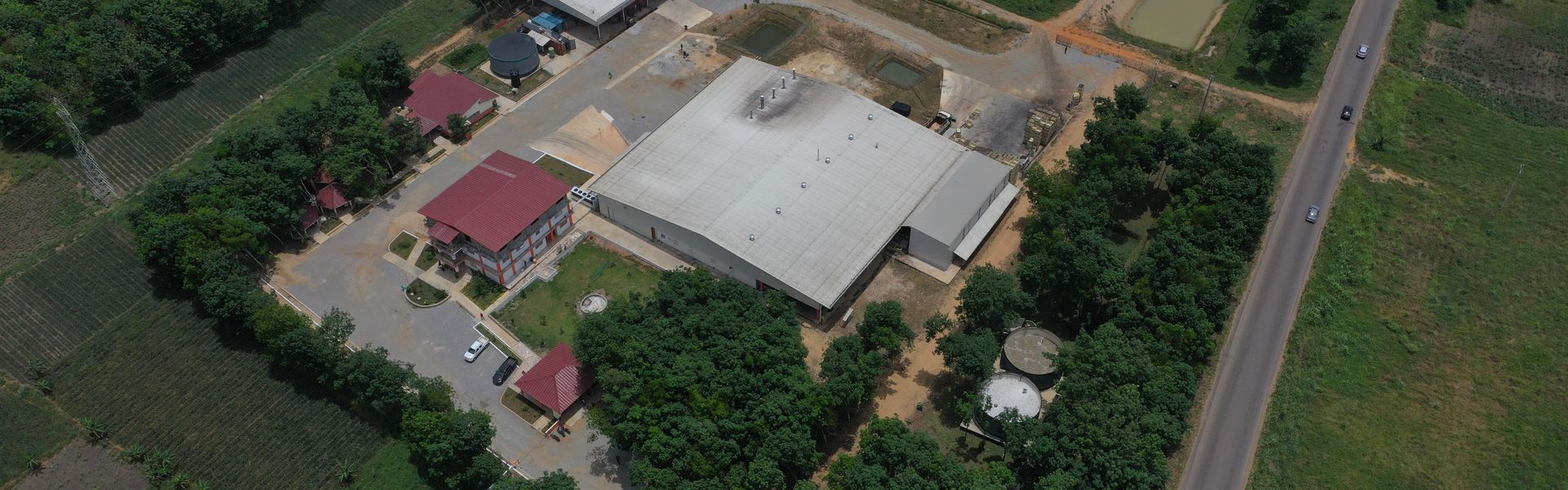
HPW doubles its processing capacity in Côte d’Ivoire
The reason for this expansion in the field itself is that farmers in the Ivory Coast are already growing more mangoes than the current processing facilities can handle.
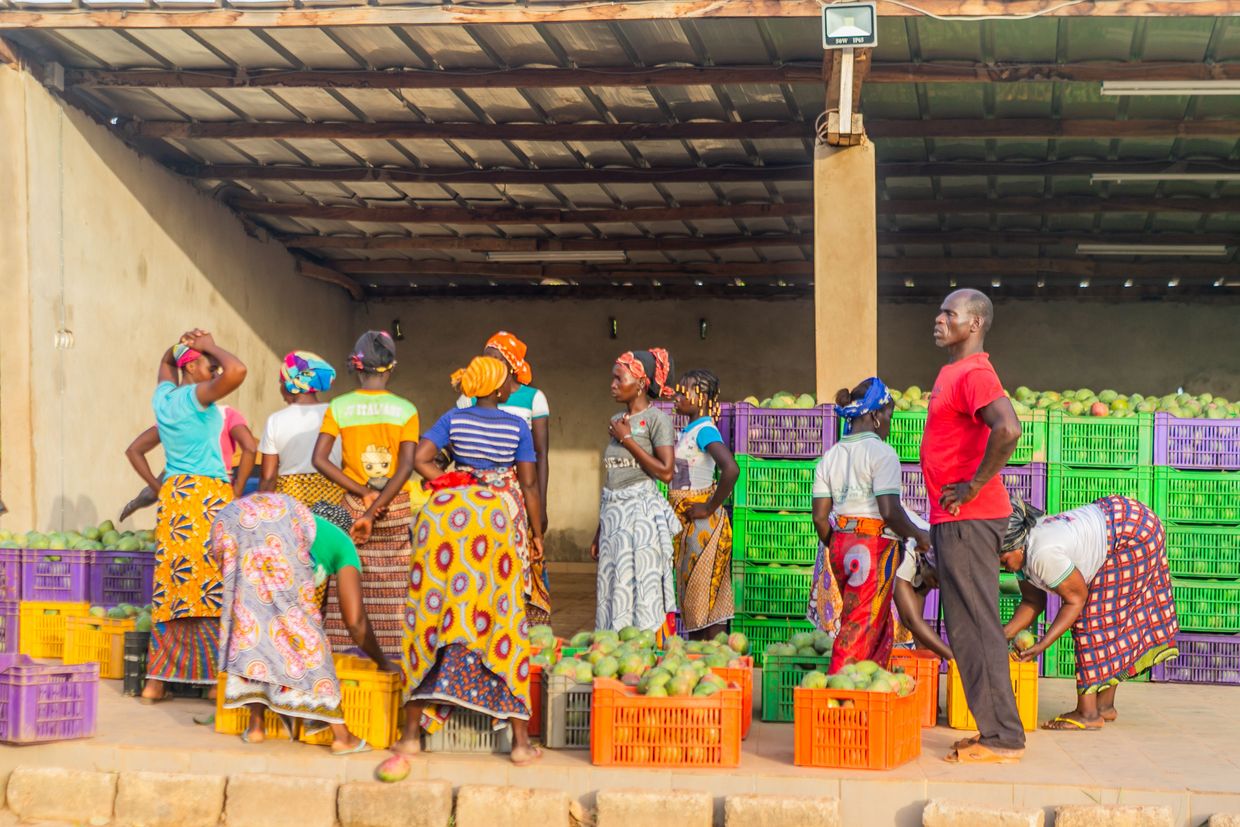
A second processing plant is currently being built there, which is set to double the site’s capacity by around October 2026. Eight new dryers have already been installed. A new warehouse will be set up over the course of the coming month. Once operational, the site will process 70 to 80 tonnes of fresh fruit daily, compared with 45 tonnes before the expansion. The workforce is also growing accordingly. The number of staff employed each day will almost double.
Enzo, who heads up the agronomy department at HPW in the Ivory Coast, has seen the gap first-hand. “We already have the capacity in the fields to accept more mangoes,” he says. “It’s just that we don’t have the capacity to process it all.” The new facility bridges the gap between the growing area and the factory.
The additional capacity also gives HPW the flexibility to handle larger volumes from customers without altering the quality controls, which apply regardless of volume. As delivery volumes rise, the team pays particular attention to how the fruit is handled, as a higher volume also carries a greater risk of fruit wastage if the fruit is not moved on promptly.
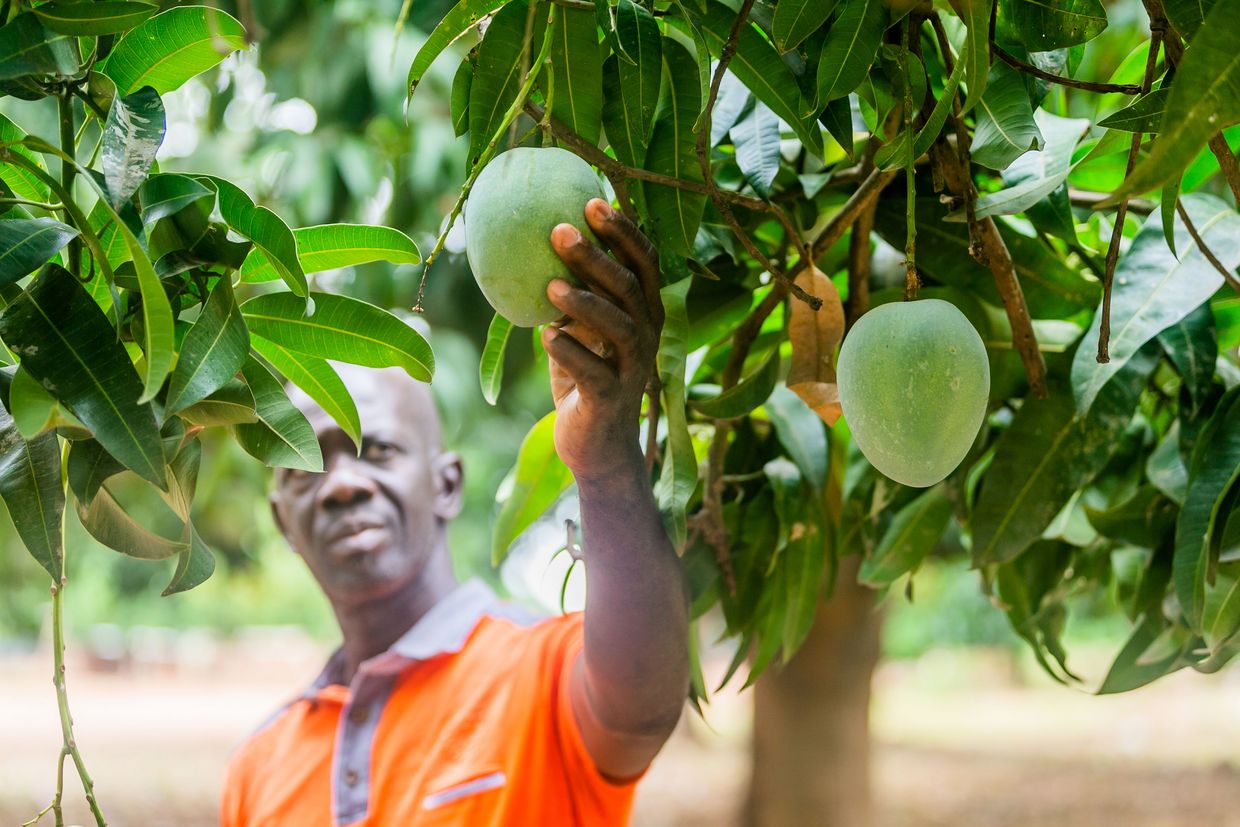
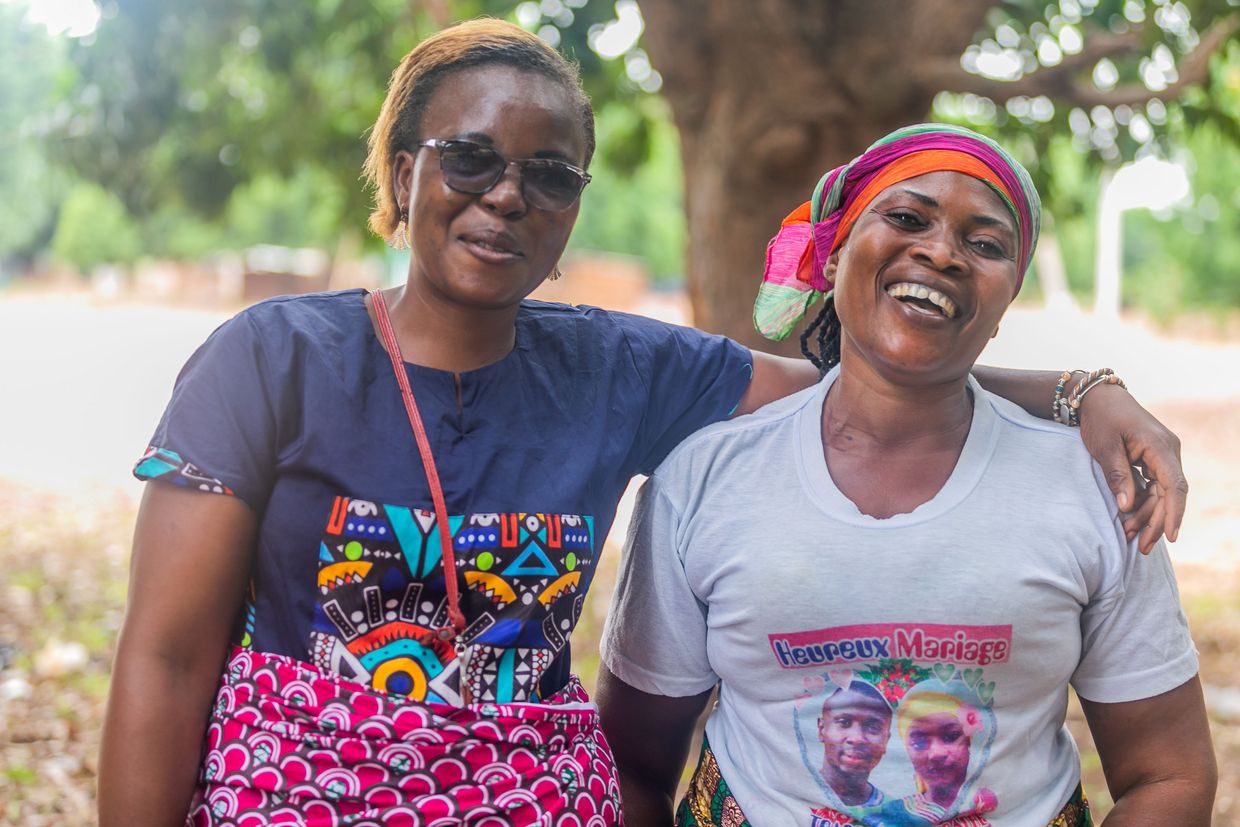
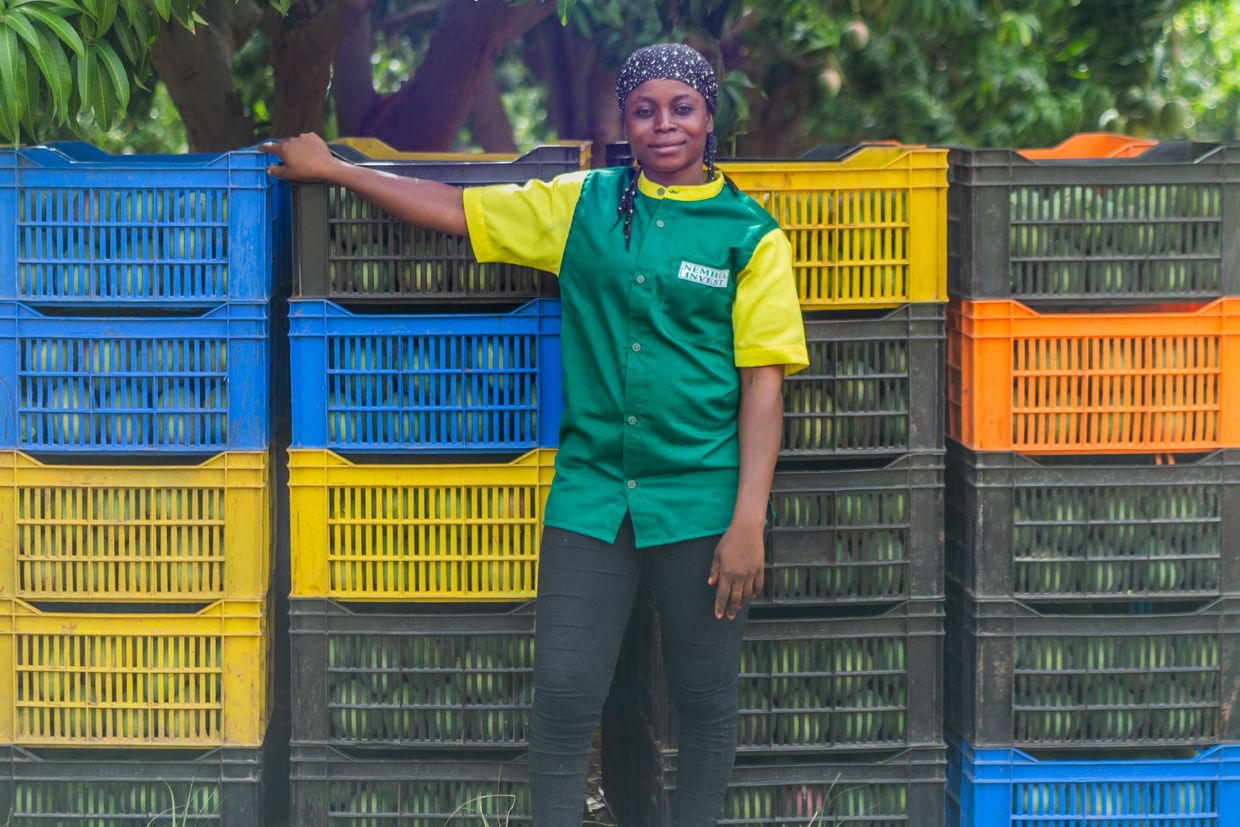
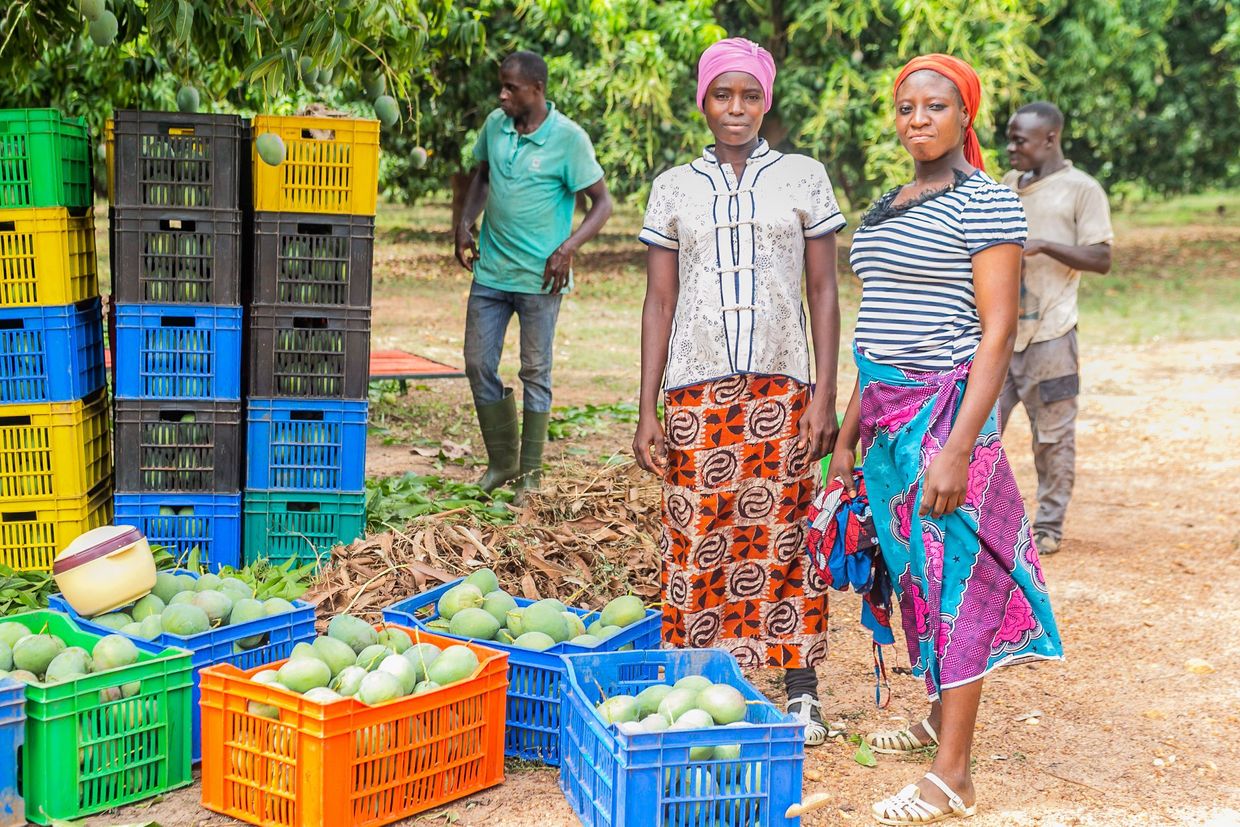
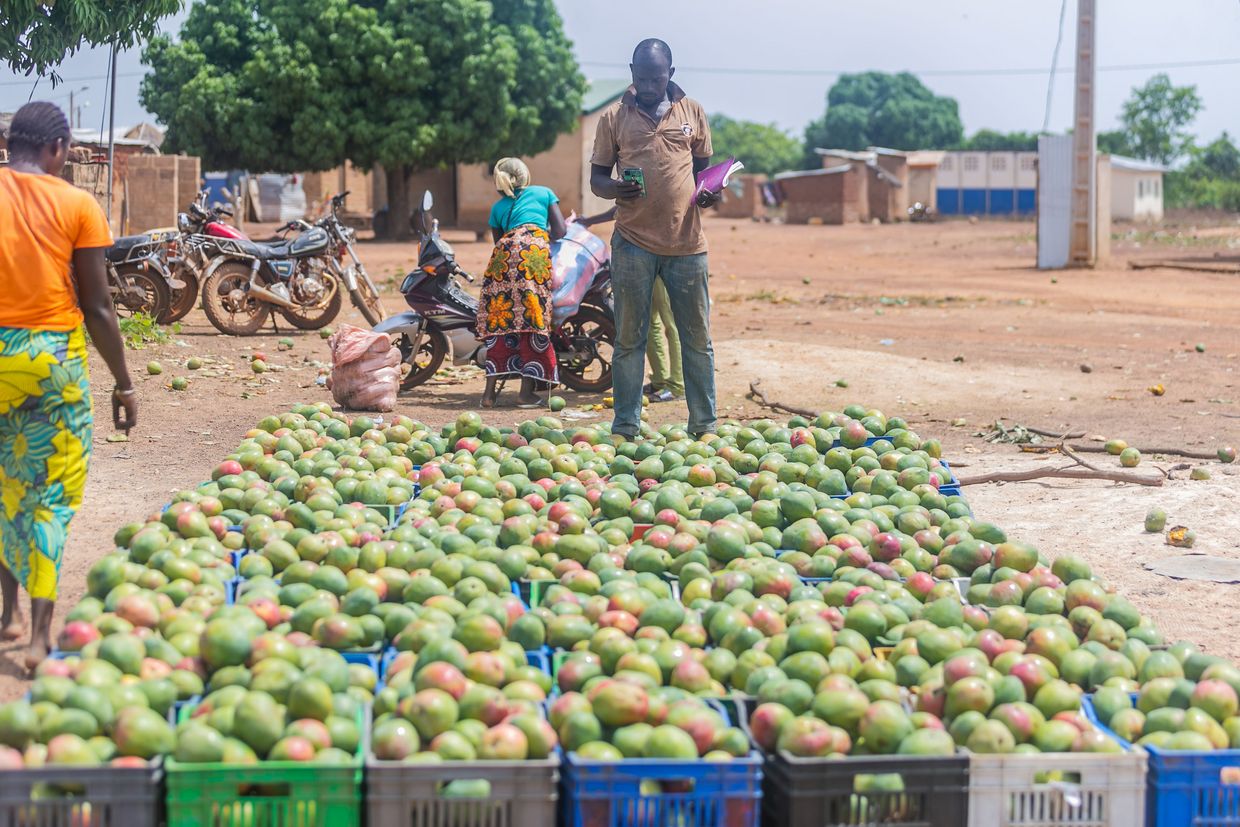
The expansion is also opening up new opportunities for the farmers who grow the fruit. Cooperatives that started small are now building their own infrastructure. A pineapple co-operative that has been supplying HPW for years has recently built offices with meeting and storage rooms and is currently constructing its own cassava processing plant. His children go to school, some of them abroad. “The farmers need this, and it helps them more,” says Enzo. “It’s really important for them to see this development and to know that the market for their produce is secure.”
The Ivory Coast is now HPW’s second processing site in West Africa, alongside Ghana, and forms part of a production network that has been built up over 25 years. Whilst the new production lines are coming on stream, the team is assessing what other production capacities might be possible at this site beyond dried fruit, even though the current priority is to complete the expansion and be operating at full capacity before the end of the year.