

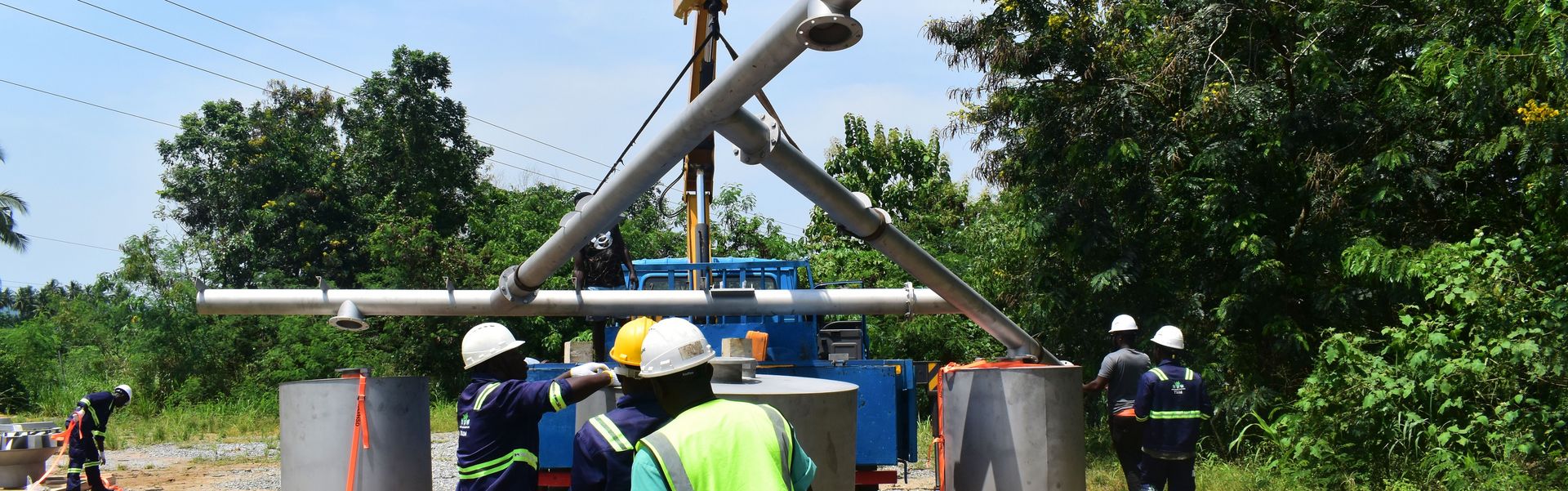
HPW is investing in a new wastewater treatment plant to ensure year-round production in Adeiso
At HPW, water availability is not something we take for granted. It is something we actively manage.
At our production site in Adeiso, Ghana, limited access to water during dry periods posed a risk to our production that we were not prepared to accept. The existing plant had served its purpose, but rising production volumes and the prospect of future expansion made it clear that a larger-scale solution was needed. We decided internally to invest in a new wastewater treatment plant.
An investment driven by operational responsibility
No external body required this investment. No certification process prompted it. The decision came from within, after we had identified a risk that could have jeopardised production continuity for our customers. The process took two to three years from the initial feasibility study to the completed plant. This timeframe reflects the seriousness with which we approached the matter: the aim was to find a solution that really works, rather than one that merely meets minimum requirements.
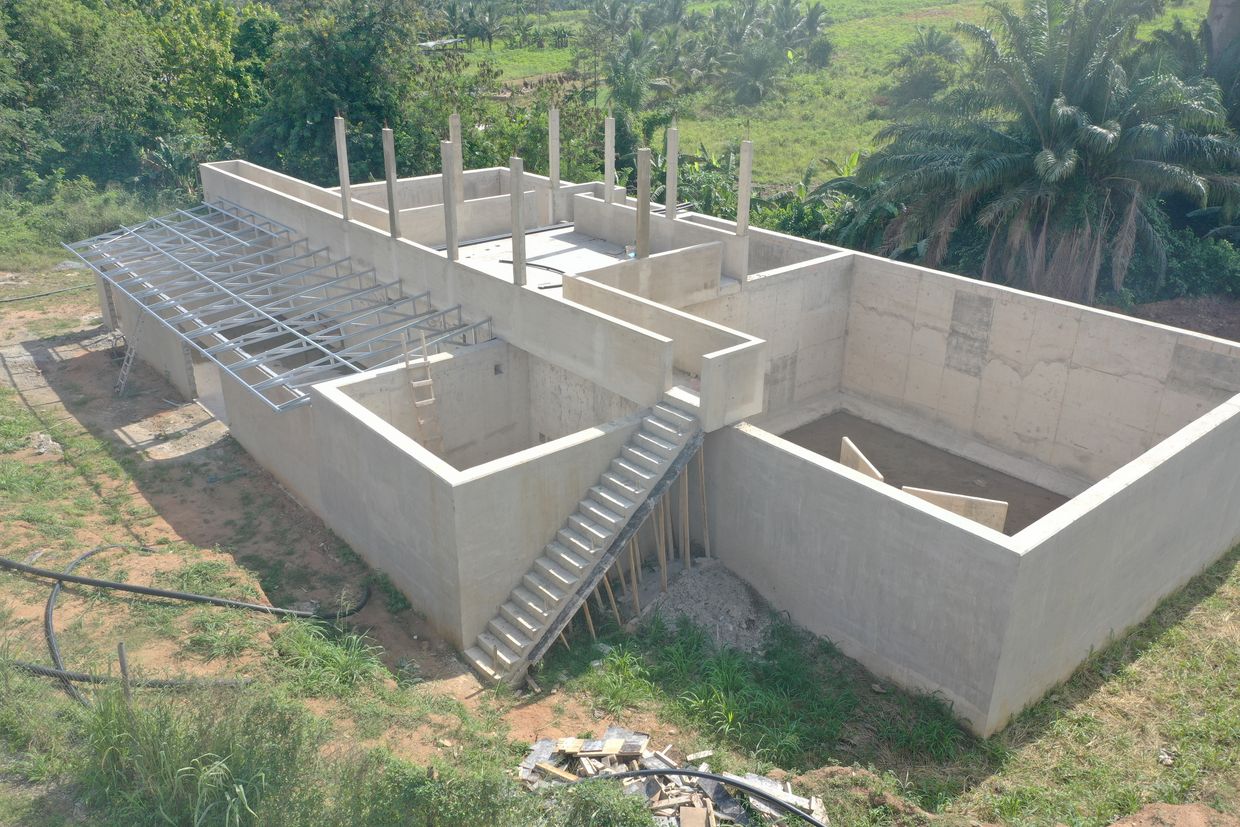
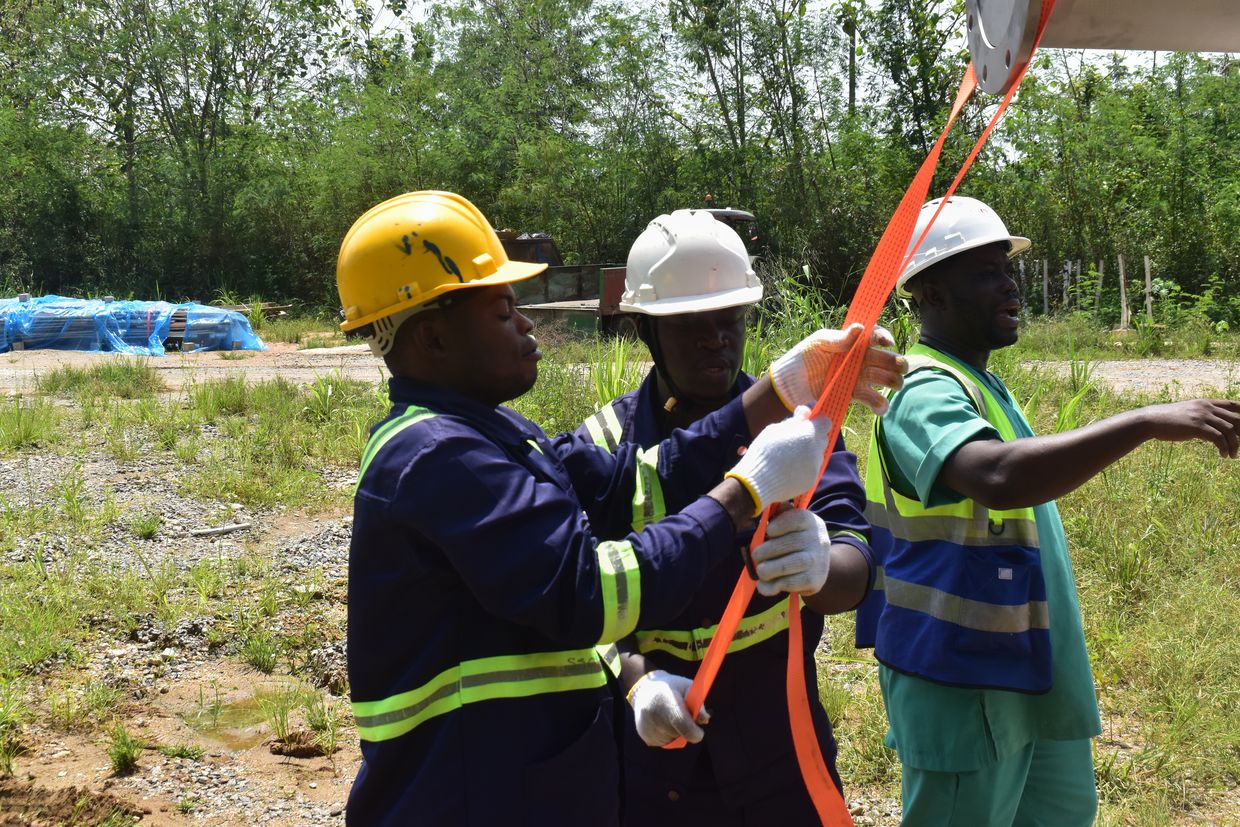
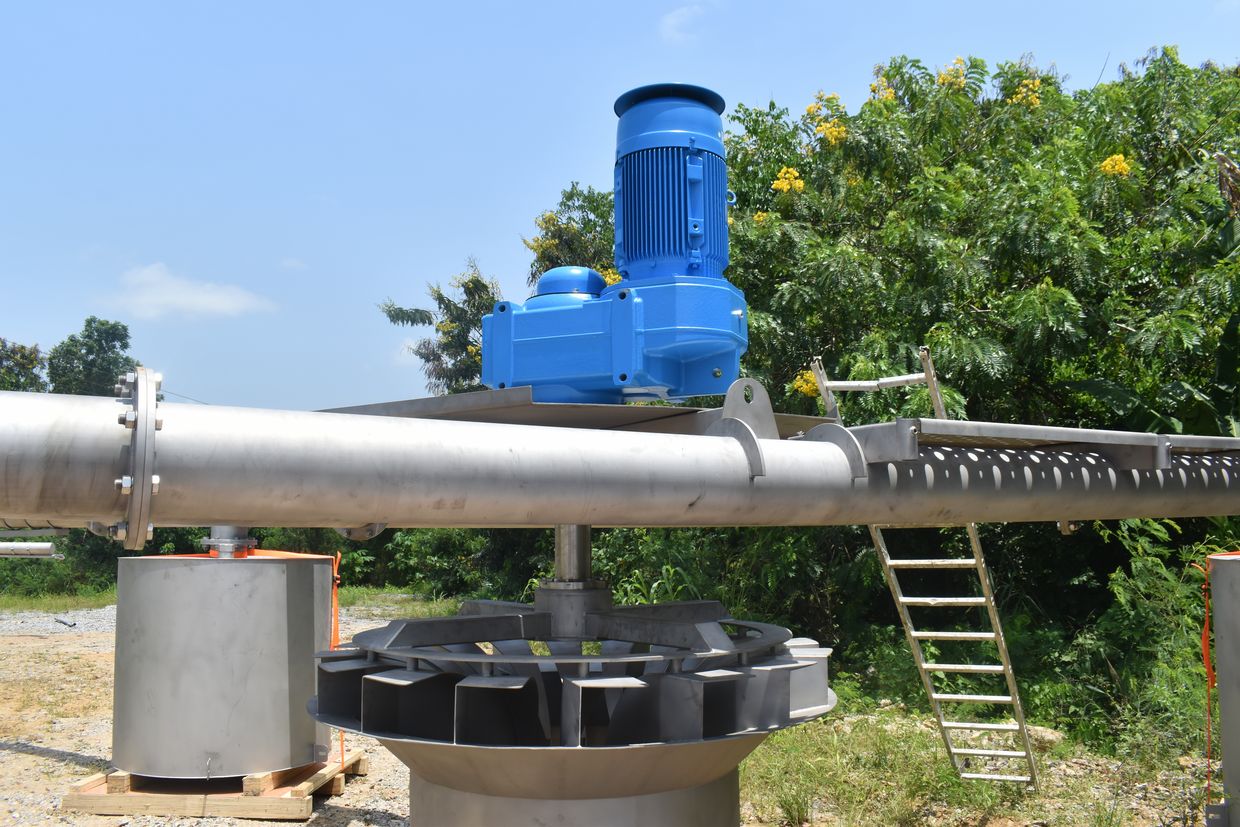
What the system does
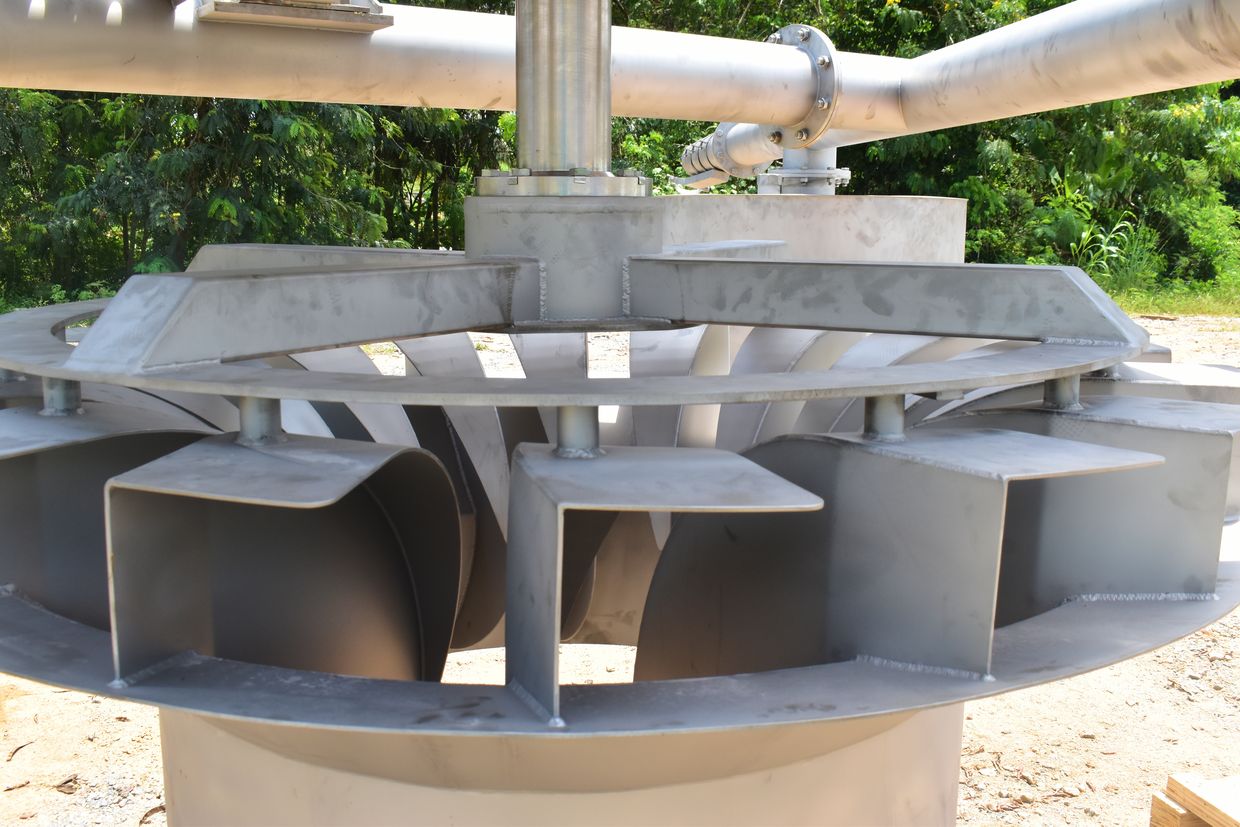
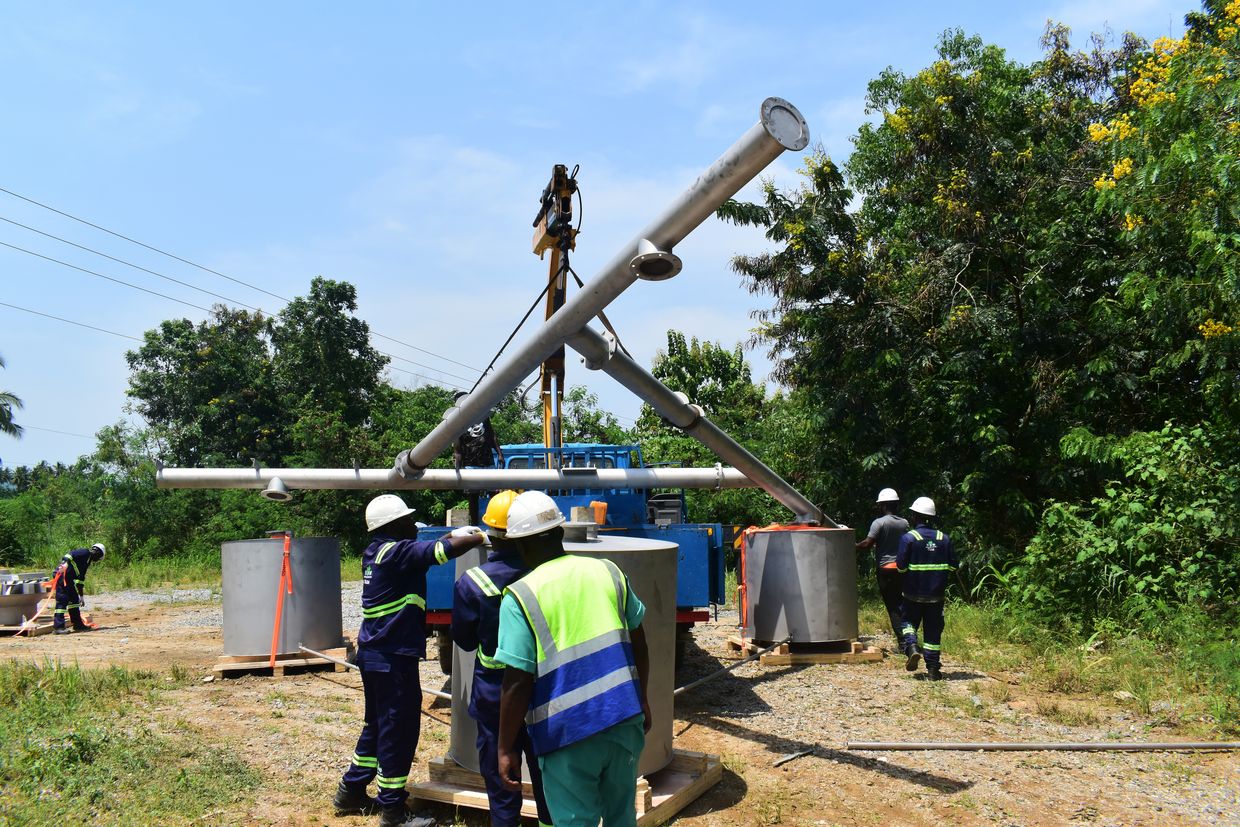
The new plant is designed to treat 400 cubic metres of wastewater per day. Around 40 per cent of our daily water consumption can now be recovered and reused. This flows directly into our drinking water treatment process and ensures a constant supply of clean water for production, regardless of the season.
Plants of this kind are rare in our industry. Wastewater treatment plants on this scale are typically associated with companies whose sole focus is on water management. We have built one because water scarcity at our site has made this step necessary, not optional.
What this means for the environment
The environmental impact is positive and measurable. Treated wastewater is now returned to the local ecosystem. This can reduce water treatment costs for others in the region who use this resource for drinking water or irrigation.
Built for growth
The facility was designed not only to meet current needs, but also to accommodate future growth. As production volumes increase, so too does the water recycling capacity.
For customers who need to document their supply chain responsibility through ESG reports or supplier audits, this investment provides a concrete and verifiable answer: HPW manages environmental risks directly at source, not just on paper.
At HPW, we are committed not only to the goal of delivering consistently high-quality products, but also to building the operational foundation that makes this continuity possible in the first place. This facility is part of that.